
by Everyday Lillie
Continued from Part 2: Ontario’s Ice Trade
Ice Harvest Method
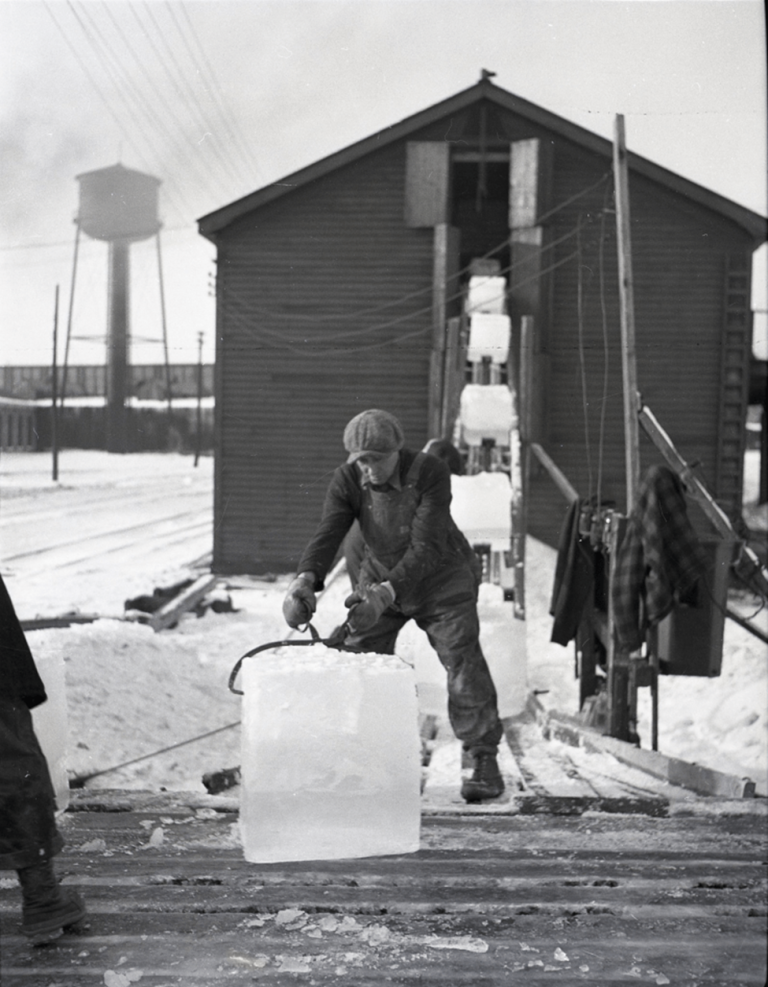
The process of ice harvesting involved cutting large blocks of ice from the frozen surface of the lake and transporting them to storage facilities, where they would be packed in sawdust to keep them from melting. The blocks of ice were then shipped by train to cities across Ontario and beyond, where they would be used in refrigeration and cooling systems.
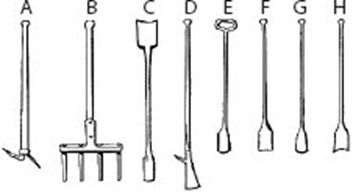
In the early days, the ice harvest was a labor-intensive process that involved large teams of men using hand saws and ice plows to cut the ice. The blocks of ice were then hauled by horse-drawn sleds to the storage facilities.
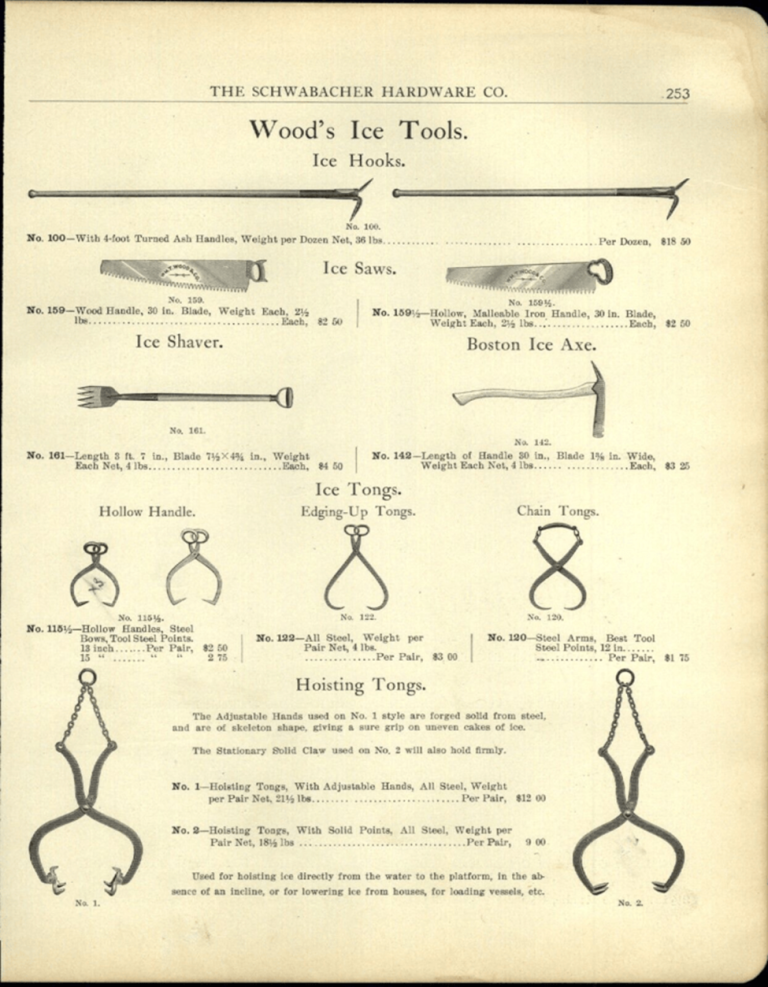
As technology advanced, the process of ice harvesting became more efficient. Steam-powered saws and ice plows were introduced, and later gasoline and diesel engines were used to power the equipment. The use of trucks and other motorized vehicles also replaced the horse-drawn sleds.
However, the advent of electric refrigeration and other cooling technologies in the mid-20th century led to the decline of the ice harvesting industry. By the 1950s, the demand for natural ice had declined significantly, and most of the ice harvesting operations shut down.
To be continued: Why Our Little Bay?
To all OBP blog readers: If you have not already done so, please support not-for-profit, volunteer-run, Ontario Barn Preservation by becoming a member! Also, if you are in the business of repairing, reconstructing, engineering, designing, etc. old barns, please consider advertising your amazing skills on our Barn Specia-List. If you own an old barn that you would like to offer to someone else, or you are hoping to obtain one for your own project, make use of our Barn Exchange page. If you own an old barn and would like to save it in the virtual world for future old barn lovers, historians and researchers, check out our Your Old Barn Study page. And please send us your own barn story, photos and/or art for submission as a OBP blog posting for the enjoyment and education of all barn lovers! info@ontariobarnpreservation.com